A Century at 1928 Geddes Avenue
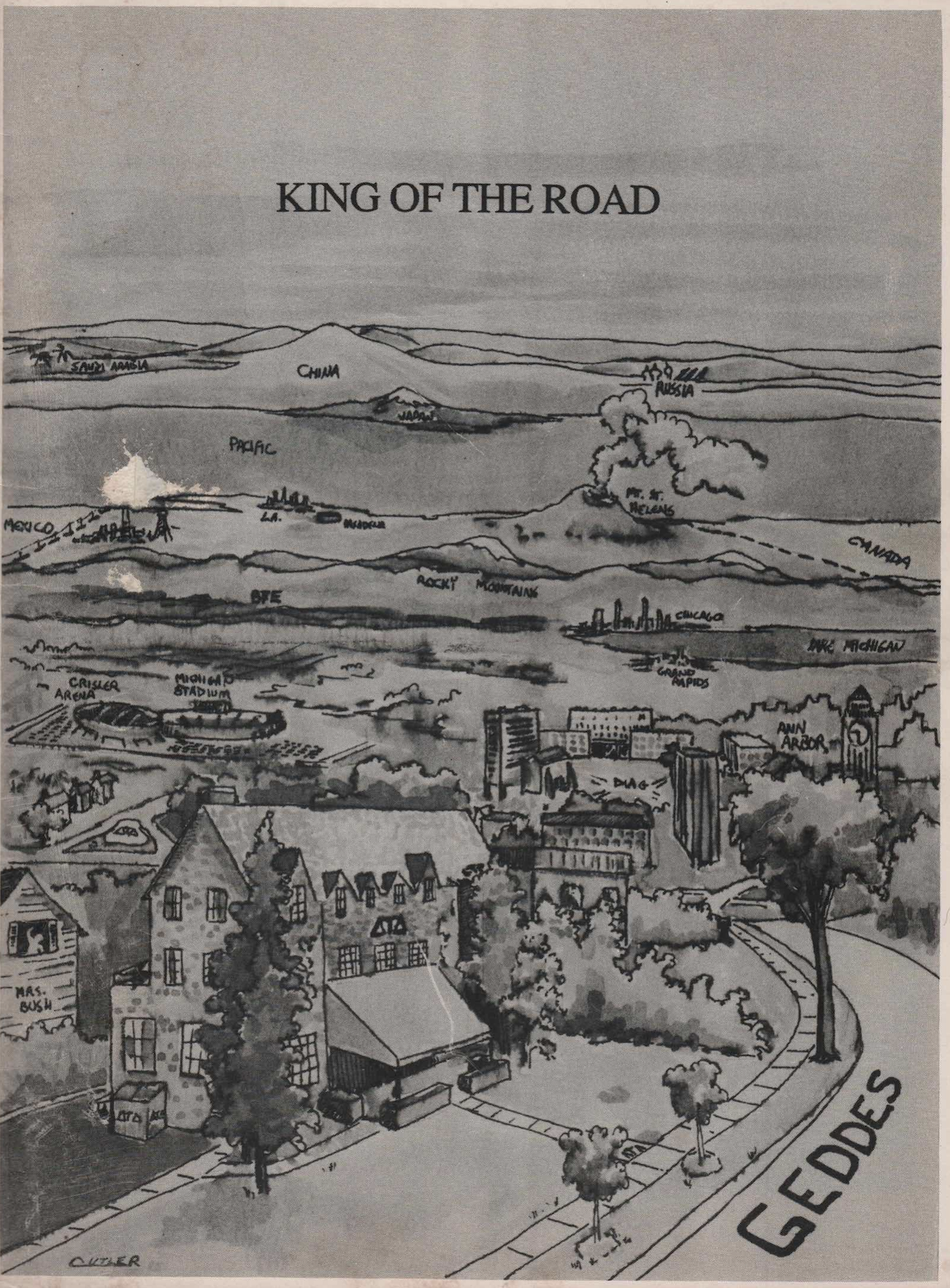
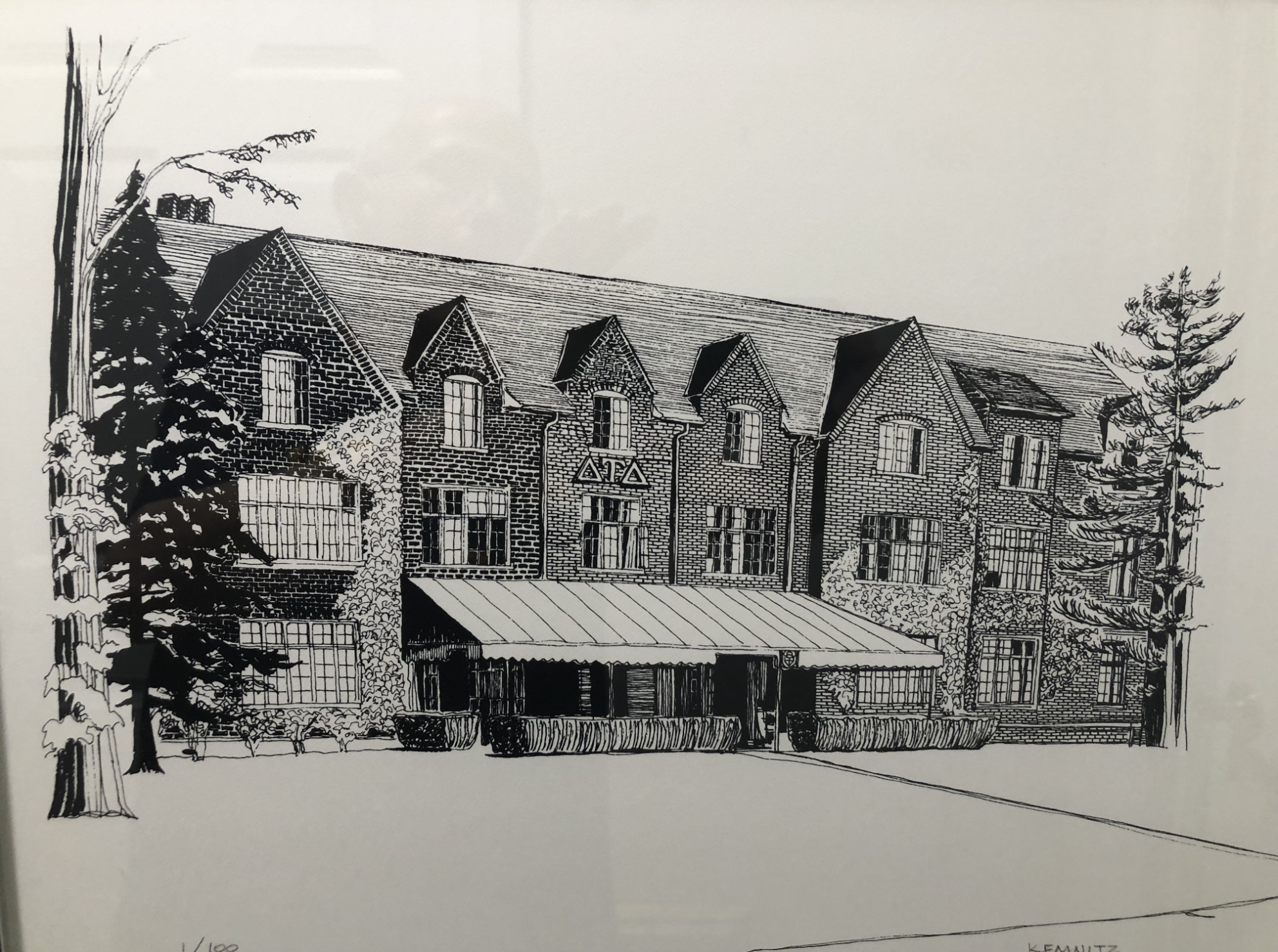
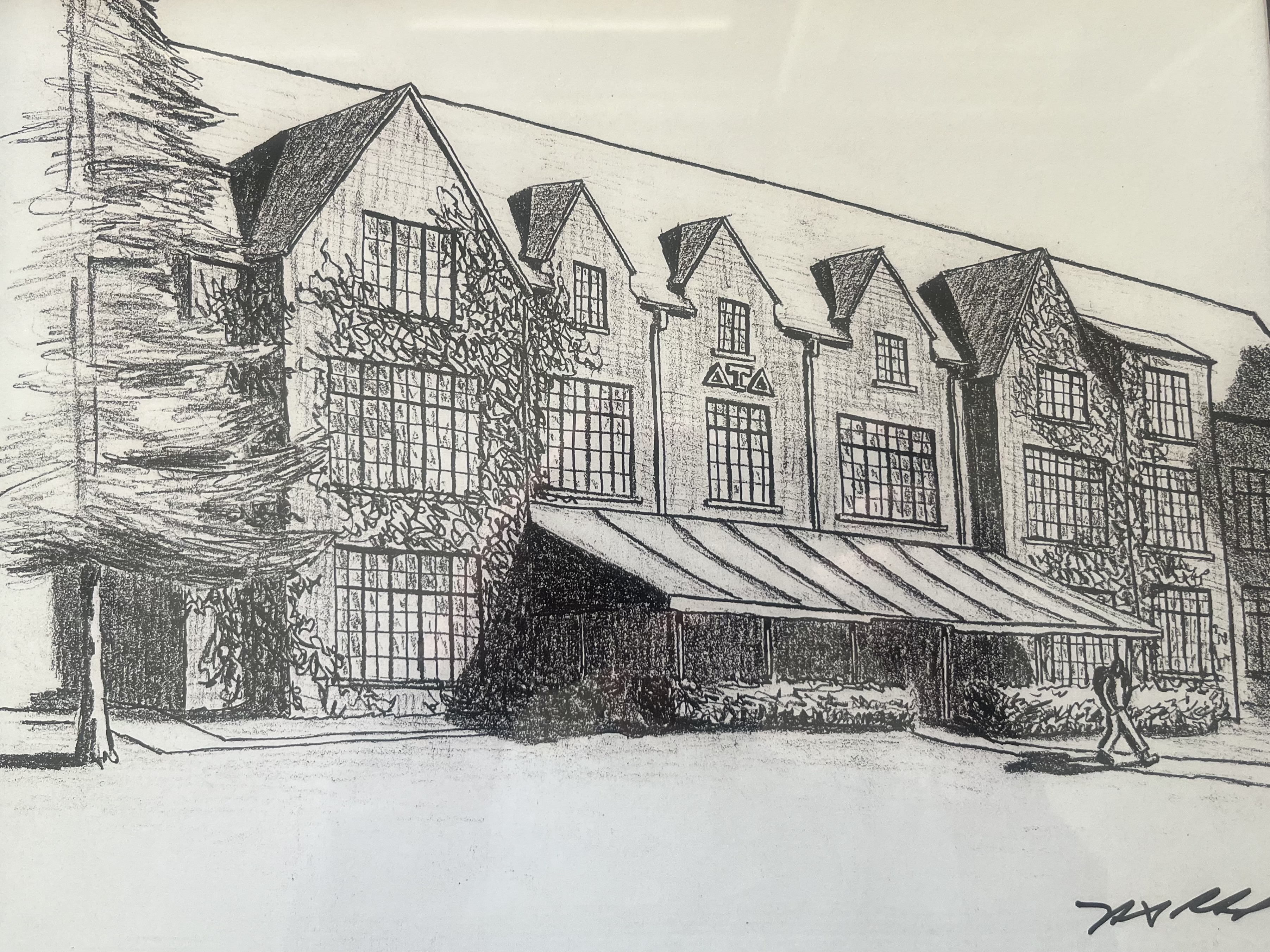
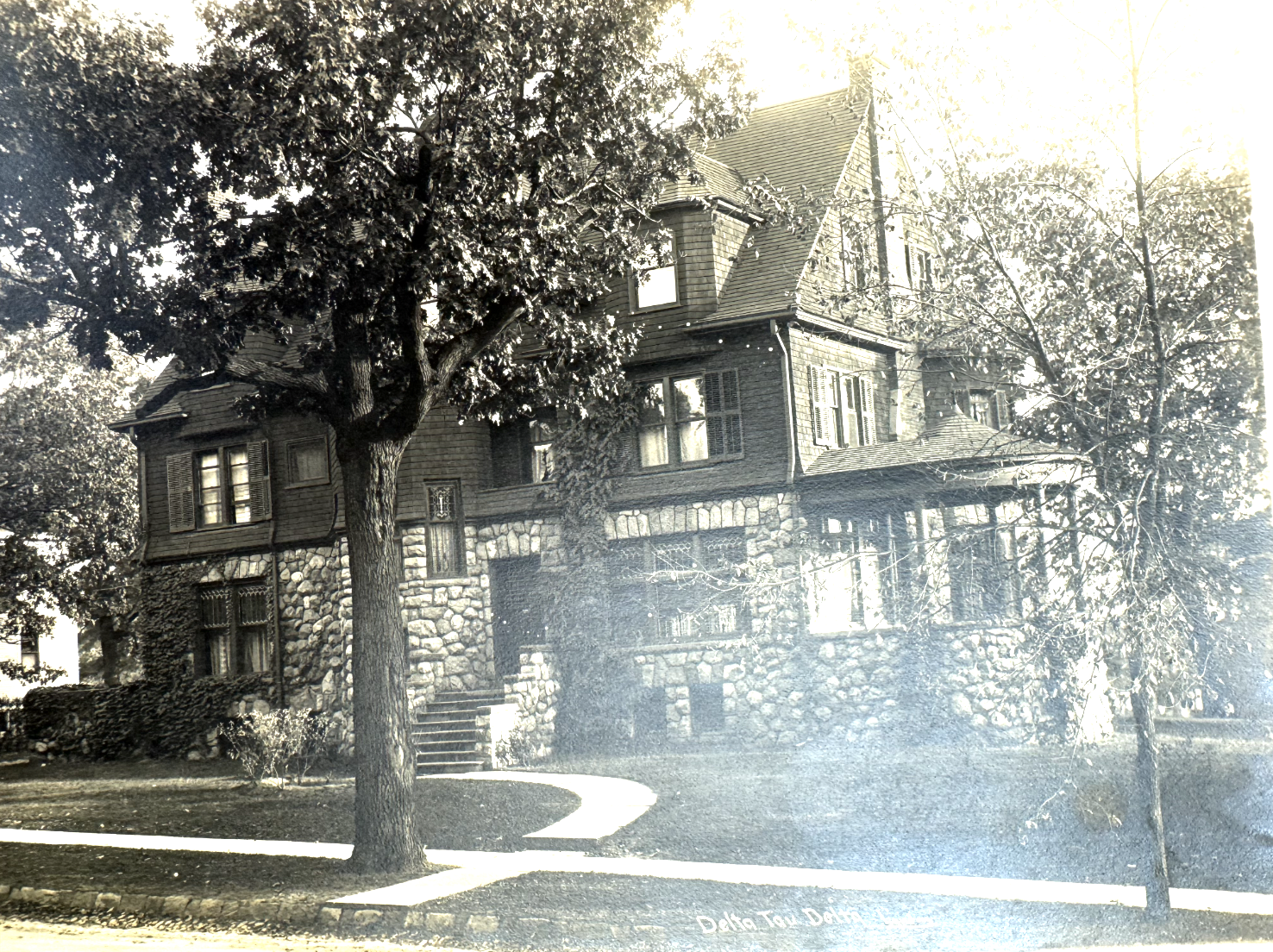
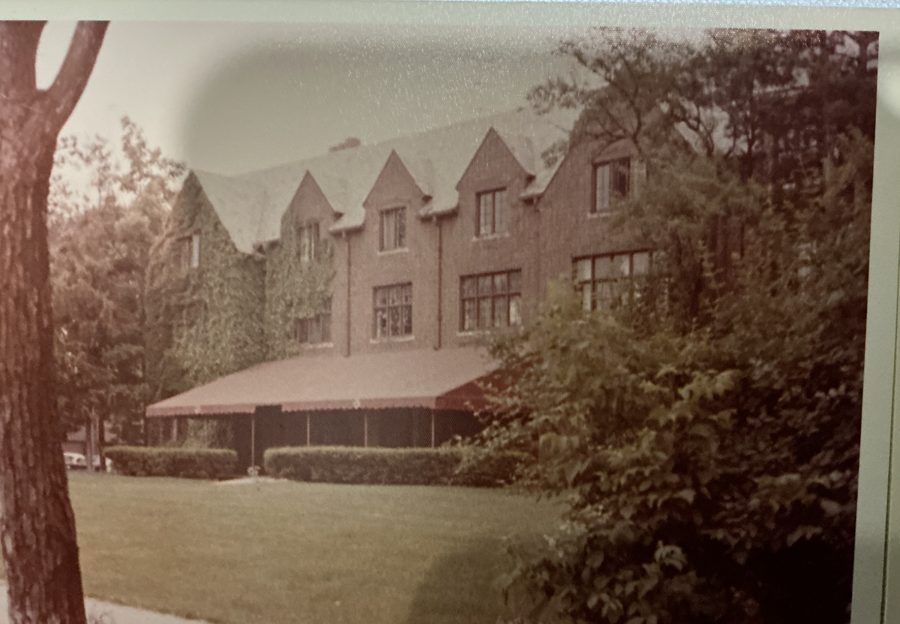
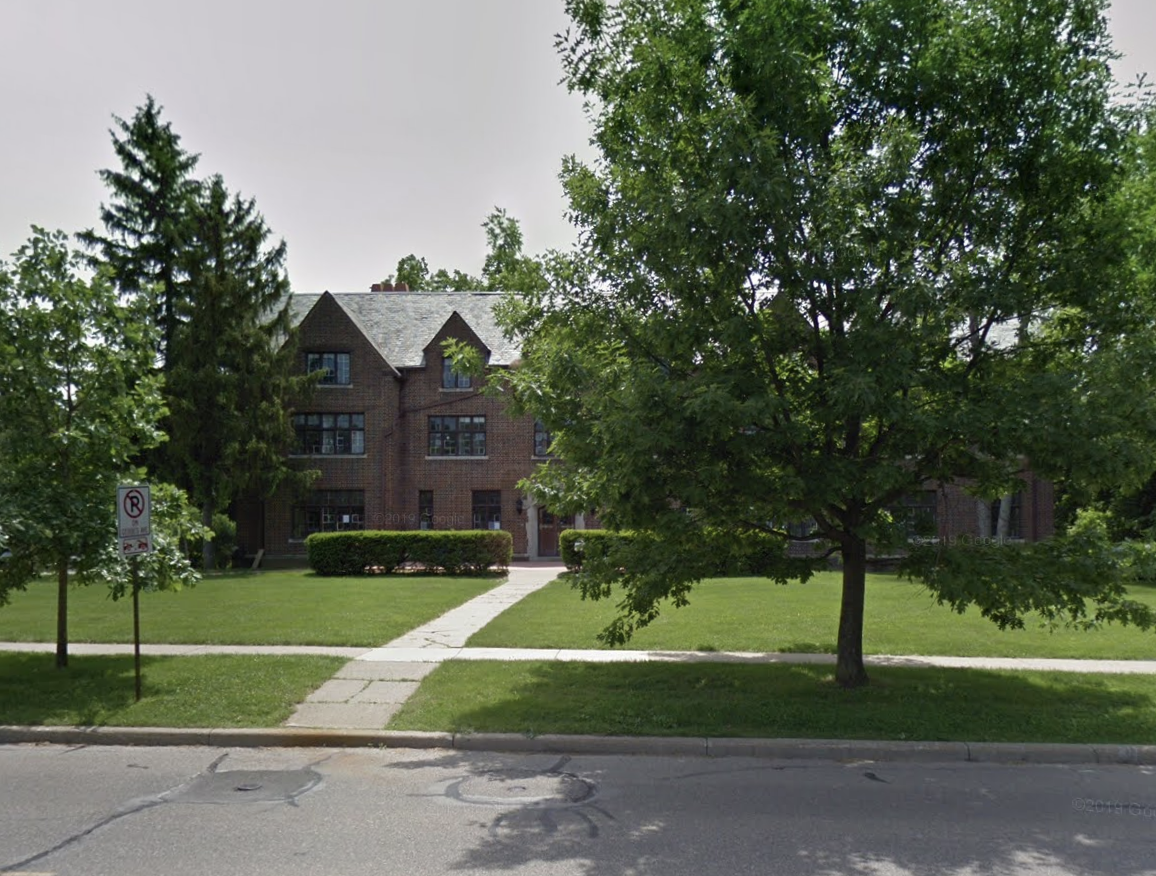
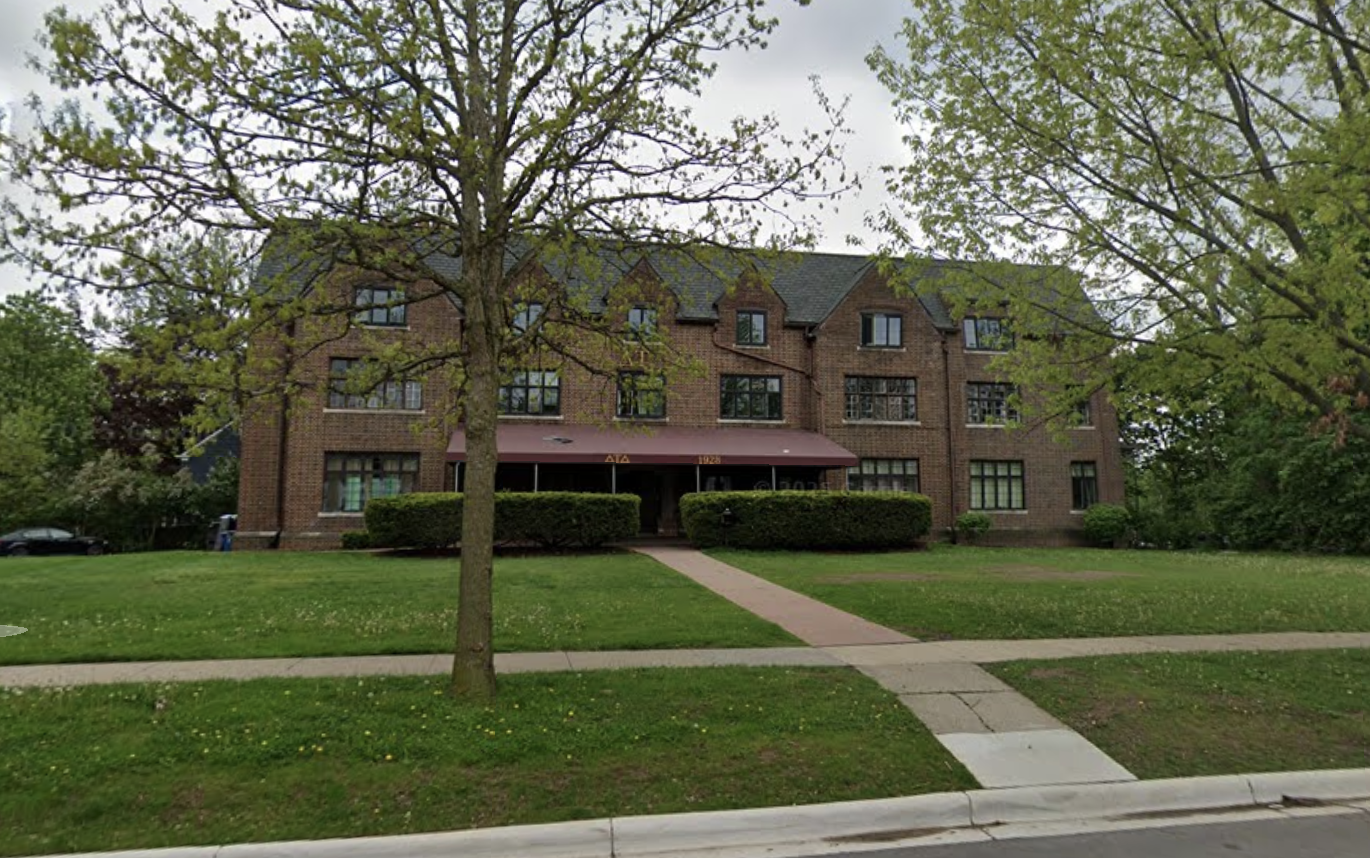
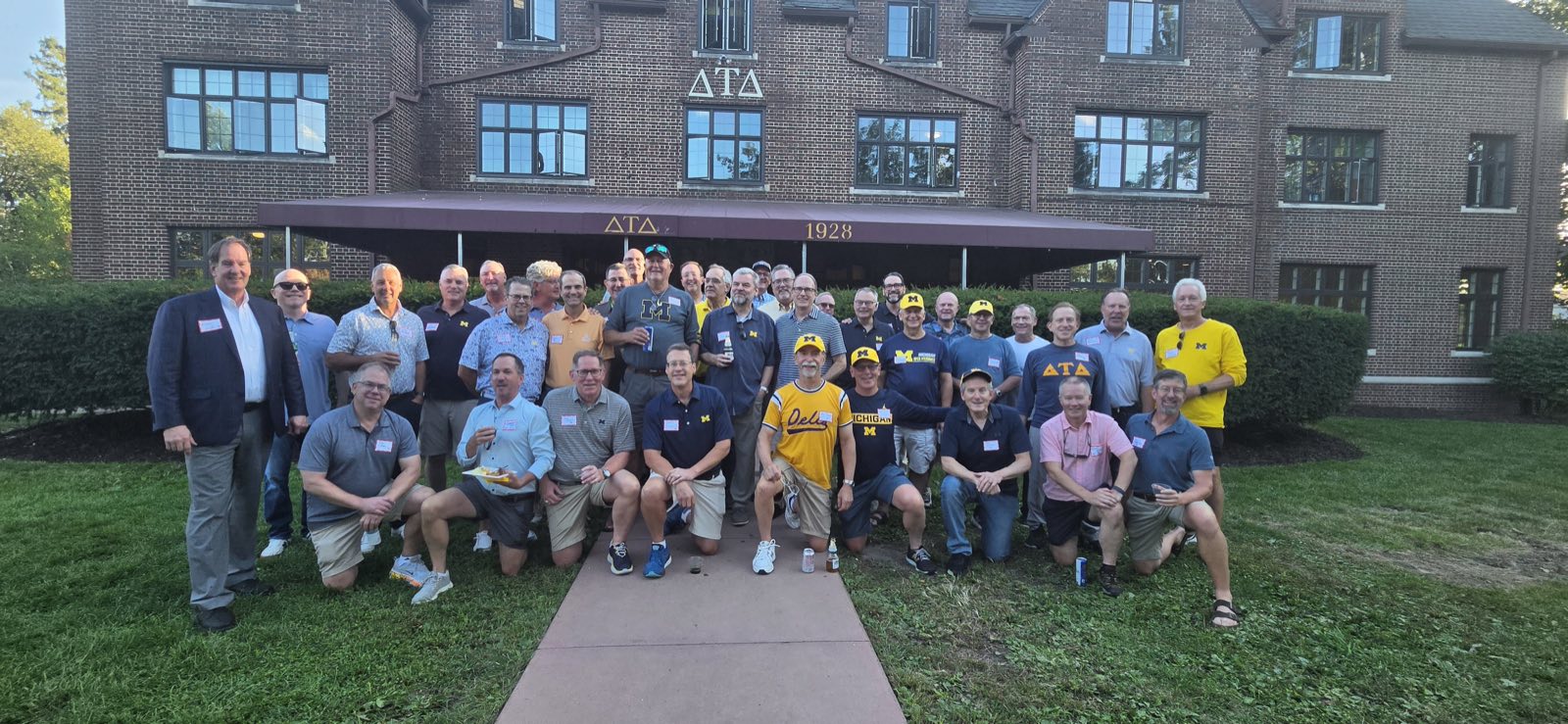
For over 100 years, the Collegiate Gothic house at 1928 Geddes Avenue has stood as the physical heart of Delta Chapter of Delta Tau Delta at the University of Michigan: a shelter, in the fraternity's own traditional language, raised at the height of one of the greatest building booms in Ann Arbor's history, and still standing at the center of Delta Chapter life today.
Building a Home
By the early 1920s, the University of Michigan had grown from a few thousand students to more than 12,000, and campus housing simply couldn't keep pace. Fraternities and sororities became one of the university's primary answers to that shortage, and a 1923 rezoning, prompted in part by the Law School's expansion onto the university's old fraternity blocks along State Street, opened the residential streets east of campus, including Washtenaw Avenue, Hill Street, and Geddes Avenue, to a new wave of large, purpose-built Greek housing. By 1926, roughly a third of the university's male undergraduates lived in a fraternity house.
Delta Chapter built its permanent shelter at the very peak of that boom. In 1924, the chapter engaged the Detroit architectural firm of Weston & Ellington, designers of some of Detroit's most recognizable buildings, including the Metropolitan Building and the Park Shelton hotel, to design a new home on Geddes Avenue.
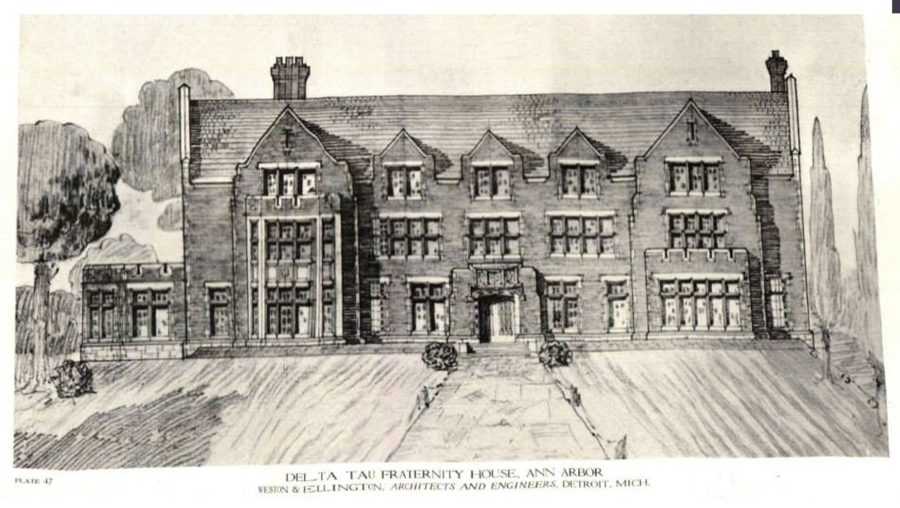
Rather than the Tudor Revival or Colonial Revival styles favored by most of the neighborhood's other fraternity and sorority houses, Weston & Ellington designed Delta Chapter's shelter in the Collegiate Gothic style, a mode more commonly reserved in Ann Arbor for churches and academic buildings, and a deliberate, distinctive choice that set the house apart from its neighbors from the moment it went up. Construction was complete by 1925, and the house has been recognized ever since by the City of Ann Arbor as one of the architecturally significant structures in the Washtenaw/Hill/Geddes neighborhood.
The first class of brothers is believed to have moved into the finished shelter at the start of the following academic year, in the fall of 1926, which would make 2026 the true hundredth anniversary of brothers living under this roof, a century after the doors at 1928 Geddes first opened.
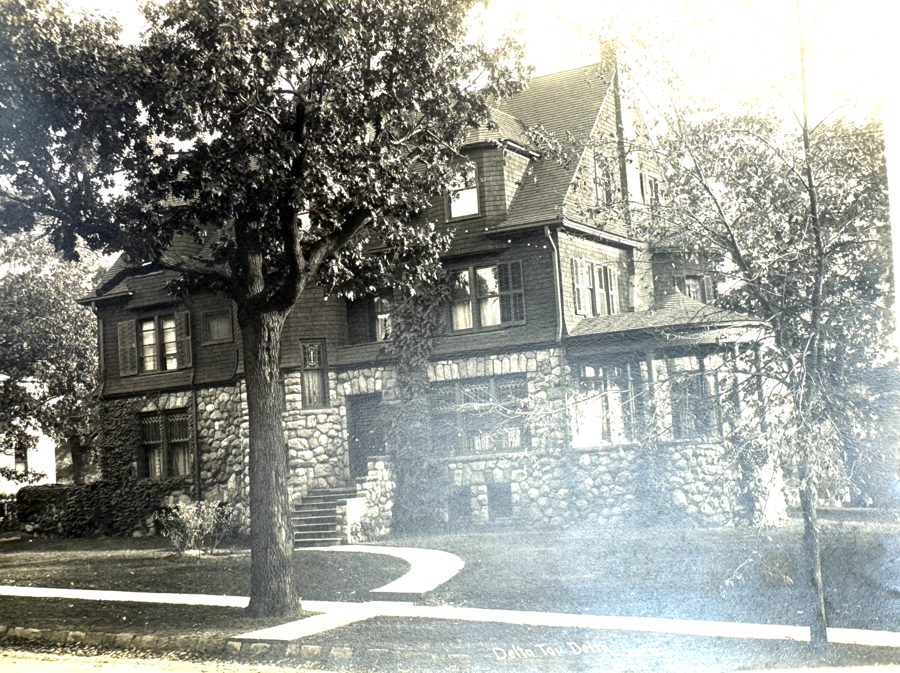
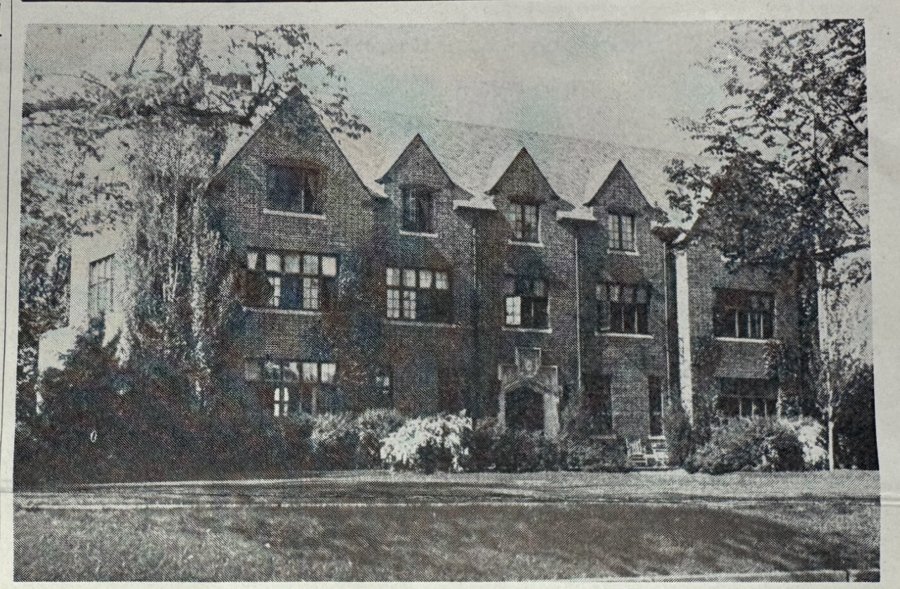
A Century of Brotherhood
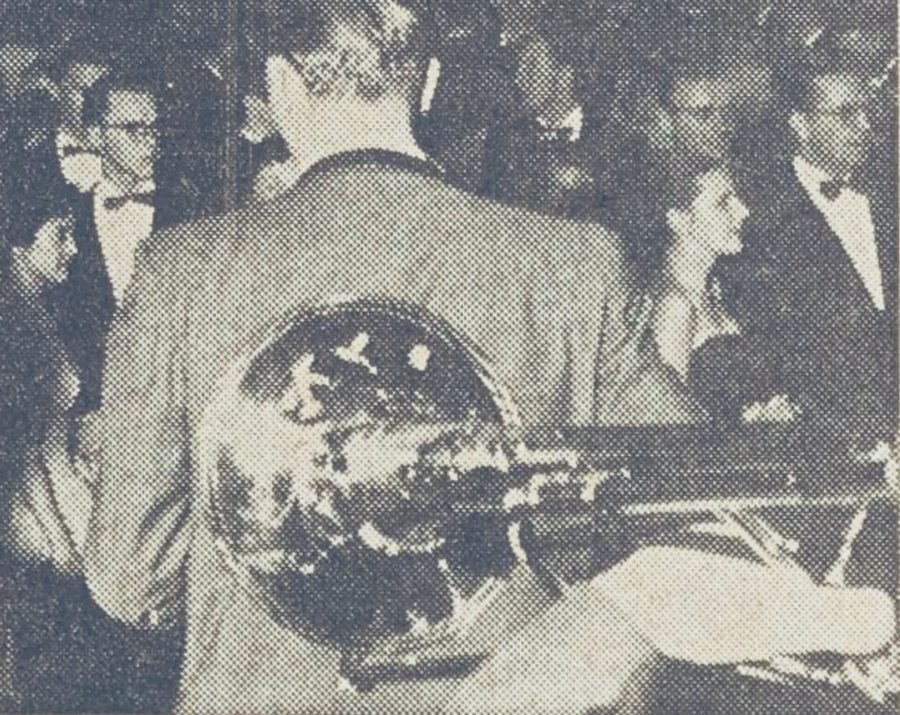
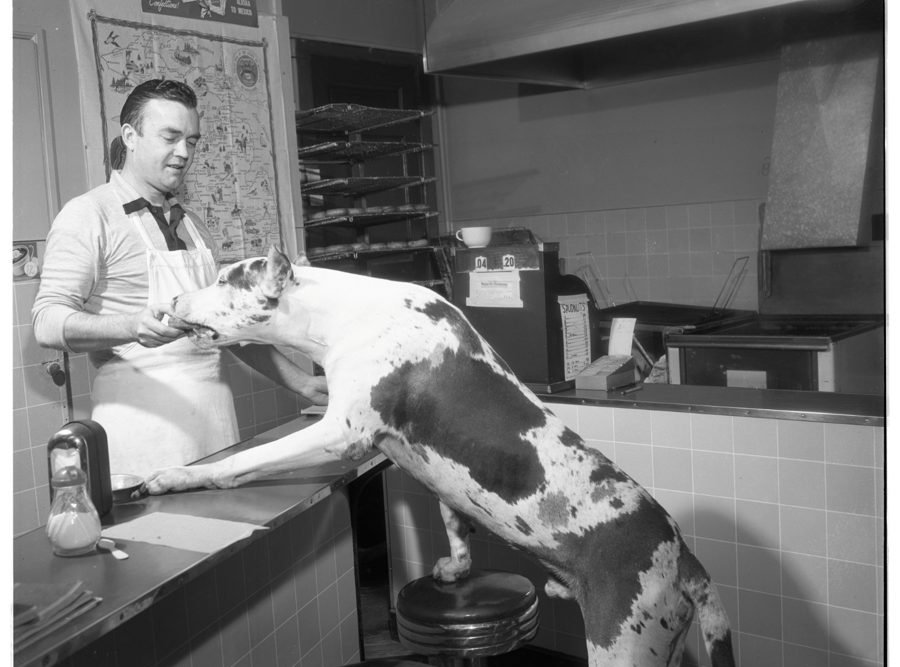
In the decades since, 1928 Geddes has been a constant, quite memorable presence in campus life. The chapter turns up throughout Ann Arbor's own history in small, human details: hosting couples during the university's storied J-Hop season in the 1950s, a chapter Great Dane that became enough of a neighborhood character to make the local police blotter in 1956, and rush advertisements running in The Michigan Daily well into the 1970s, inviting new members through the shelter's doors.
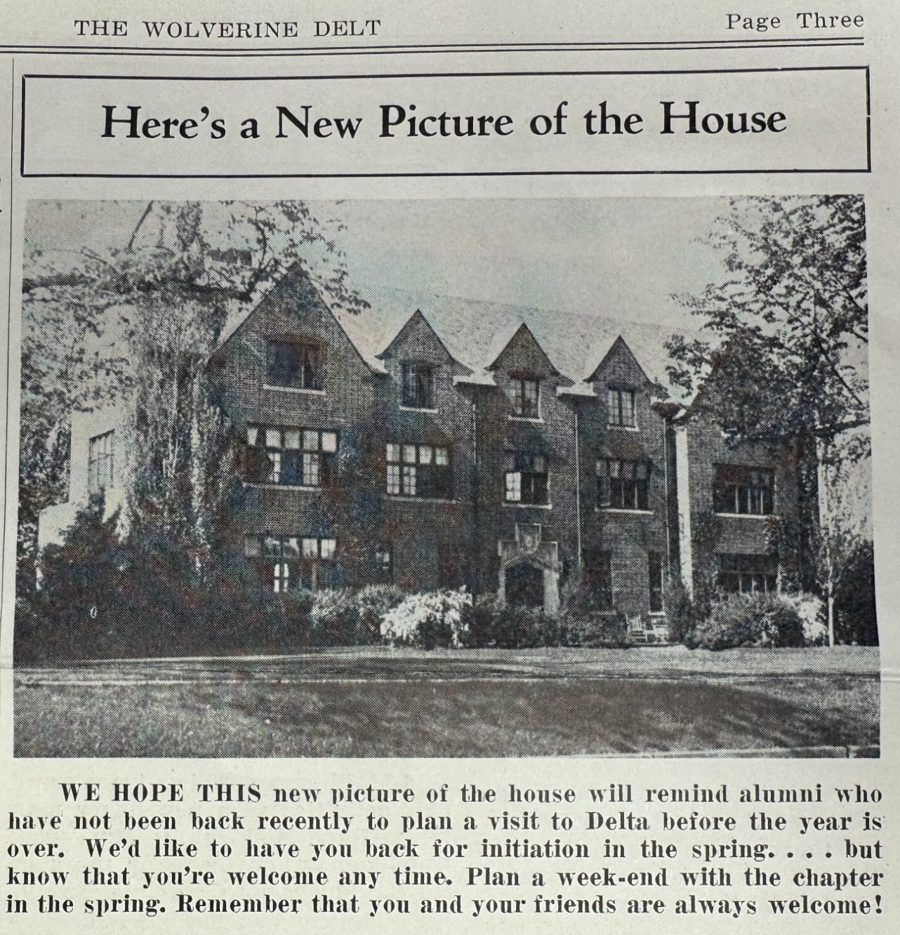
Like many fraternities nationally, Delta Chapter has faced real challenges to its survival. Declining membership pushed the chapter into dormancy in the early 2000s, closing the house's doors for several years, before alumni and the national fraternity worked to recolonize the chapter in 2008 and rebuild an active undergraduate membership. The shelter has weathered harder moments as well: in July 2023, it was one of two off-campus fraternity houses targeted by hate-motivated vandalism, an act publicly condemned by both the Ann Arbor Police Department and the University of Michigan. Delta Chapter's brothers responded, as chapters before them have for a century, by keeping the house and the community around it standing.
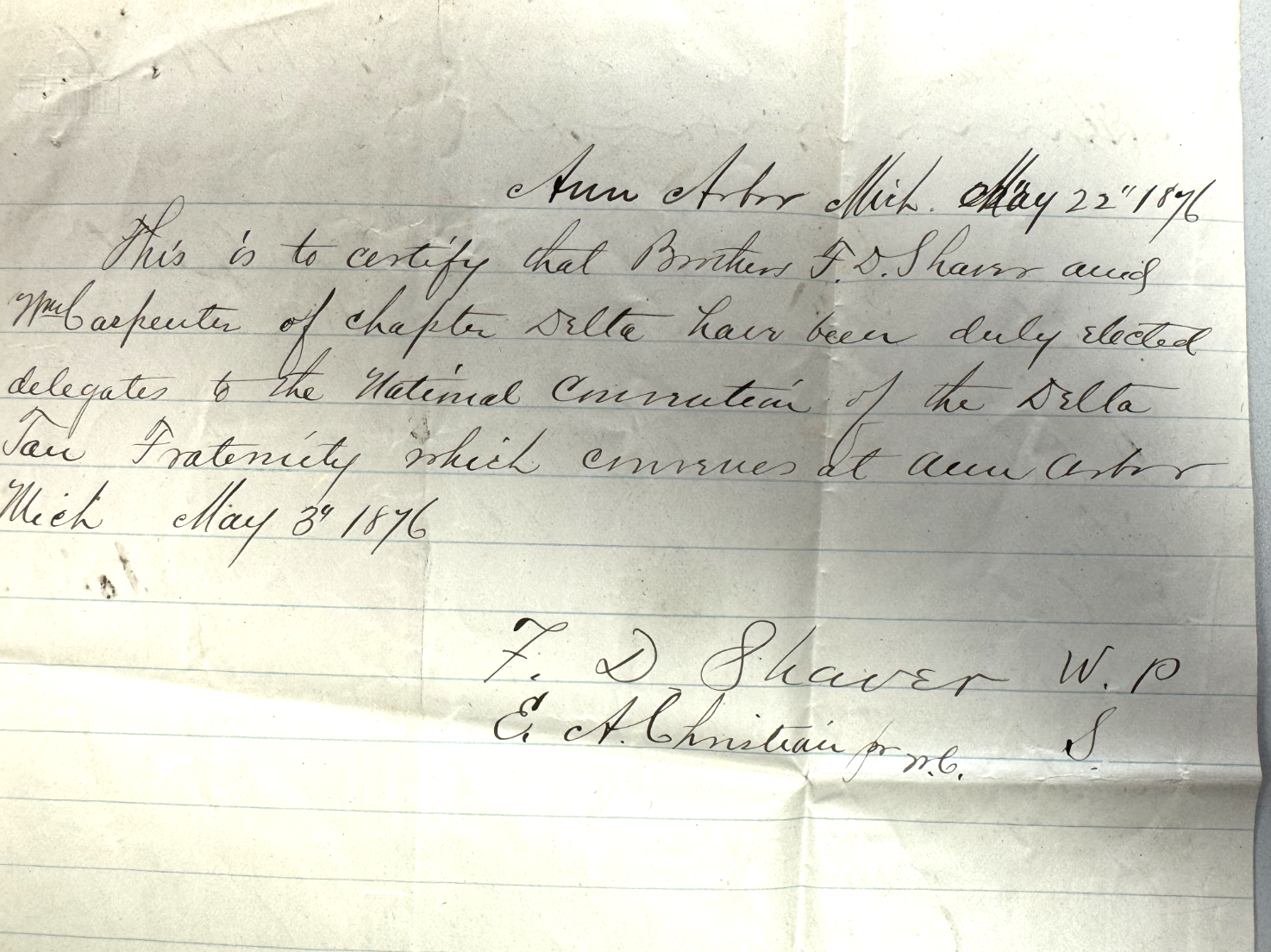
Across generations and even centuries, The Delts at the University of Michigan have demonstrated leadership, stood as a top fraternity on campus and persevered during challenging times with commitment, resolve and motivation to keep our legacy alive, often against steep odds. Looking back at our rich history, we stand ready to build upon this foundation and face the future with the same energy and earnestness that led us to this place. Oh, and we'll continue to do it all with a spirit of camaraderie, fun and mischievousness that only helps us further our relationships with our brothers, if not always with our neighbors. As an alumni or active, it is incumbent upon us to embrace the legacy of Delta Tau Delta and the shelter at 1928 Geddes Avenue and continue to support her. Here's to another 100 years (and to space)!